

Tether, the giant behind the world’s top stablecoin, just snagged two veteran traders from HSBC to supercharge its gold reserves, now topping $12 billion. This bold move positions the company as a heavyweight in the bullion world amid soaring gold prices over $4,100. But what does this mean for crypto’s future and everyday investors chasing safe havens?
Tether Holdings has brought on board two seasoned precious metals experts from HSBC, a major global bank known for its massive gold vaults. These hires include high-profile names like Vincent Domien and Mathew O’Neill, who led metals trading at HSBC. Their expertise comes at a perfect time as Tether ramps up its physical gold holdings.
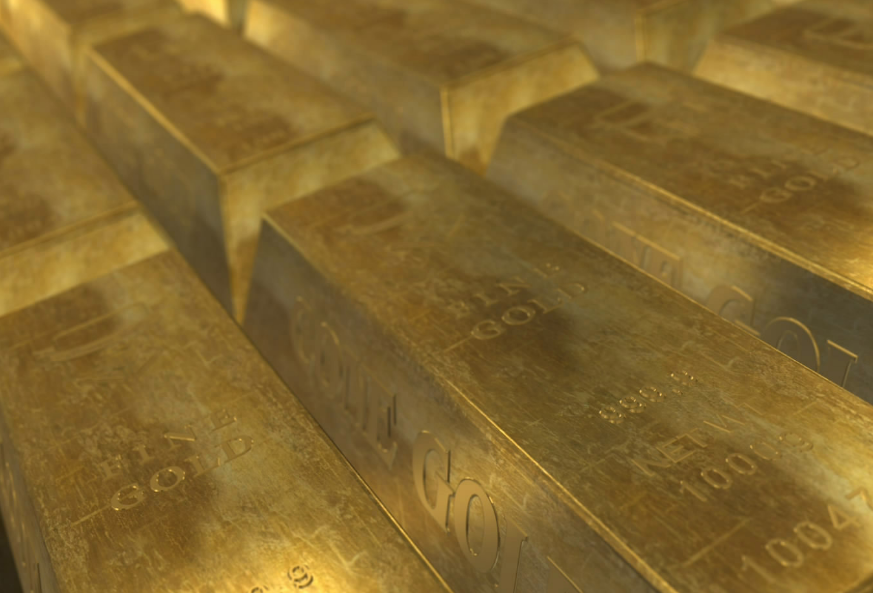
This recruitment signals Tether’s ambition to challenge traditional bullion giants. With decades of experience in trading and risk management, these pros will help manage and grow Tether’s reserves. The company already holds more than $12 billion in gold as of late September 2025, based on recent reserve reports. That’s a huge pile, rivaling some central banks.
Gold prices have climbed above $4,100 per ounce recently, fueled by global tensions and economic shakes like the U.S. government shutdown threats. Investors are flocking to gold as a safe bet, and Tether wants a bigger slice of that action.
Tether’s strategy here is clear. By diving deeper into commodities, it’s diversifying beyond just stablecoins. This could make its ecosystem more stable for users who want on-chain access to real assets.
Why Gold Matters in Tether’s Big Picture
Tether’s gold reserves have grown fast. In the first half of 2025, the company added about 19 tonnes of gold, with 15 tonnes in the second quarter alone. That’s on par with what China’s central bank scooped up in the same period.
This push ties into Tether’s overall growth. Its market cap now sits above $183 billion, up $17 billion in the third quarter of 2025. Plus, it boasts $6.5 billion in excess reserves, giving it plenty of room to expand.
Geopolitical worries, like ongoing conflicts and trade spats, are driving demand for gold. A recent report from the World Gold Council shows central banks bought over 400 tonnes in the third quarter of 2022, a trend that’s picked up steam into 2025. Tether is mirroring this by building its own stash.
For everyday folks, this means more options. If you’re holding Tether’s gold-backed token, XAUt, you’re essentially owning a piece of physical gold stored securely. It’s like having bullion in your digital wallet, without the hassle of vaults or shipping.
But it’s not all smooth. Critics worry about transparency in crypto reserves. Tether has released attestations, like one in April 2025 showing over 7.7 tons backing XAUt. Still, some experts call for more audits to build trust.
Impact on Crypto and Traditional Finance
Tether’s move blurs lines between crypto and old-school banking. By hiring HSBC talent, it’s bringing institutional know-how to the table. This could shake up the bullion market, where big banks like HSBC have dominated for years.
- Gold as a hedge: With inflation worries and stock market dips, gold’s appeal grows.
- Crypto integration: Tether’s gold ops let users trade digital assets backed by real metal.
- Market competition: New players like Tether could lower costs and boost access for small investors.
Gold prices rebounded strongly in late 2025, hitting highs amid uncertainty. Bloomberg data notes this surge aligns with Tether’s expansion, potentially amplifying demand.
This shift affects you directly if you’re in crypto. Stablecoins like USDT from Tether are used by millions for trading and payments. Adding gold backing could make them more resilient during crashes.
On the flip side, regulators are watching closely. The U.S. and Europe have tightened rules on stablecoins, pushing companies like Tether to prove their reserves are solid.
Tether isn’t stopping at gold. Posts on social media hint at weekly buys of 2 tonnes from Swiss refiners, though official numbers vary. This aggressive buying could influence global supply chains.
Challenges and Future Outlook
Expanding into commodities isn’t easy. Tether faces risks like price swings in gold, which dropped briefly before rebounding. Storage and security for physical assets add costs too.
| Key Tether Stats (Q3 2025) | Value |
|---|---|
| Market Cap | $183B |
| Gold Reserves | $12B+ |
| Excess Reserves | $6.5B |
| Q3 Growth | $17B |
These figures, from Tether’s own reports, show strength. But experts like those at Crypto News warn that rapid growth needs careful management to avoid pitfalls.
Competition heats up as other firms eye similar moves. Yet Tether’s size gives it an edge, with its stablecoin USDT holding the top spot in crypto.
Looking ahead, this could redefine how we view money. Blending digital tokens with tangible gold might create hybrid assets that appeal to both tech-savvy traders and traditional investors.
In a world of economic ups and downs, Tether’s gold play offers a bridge. It turns abstract crypto into something you can almost touch, backed by real value.
Tether’s bold step into gold with HSBC vets at the helm underscores a pivotal shift in finance, where crypto giants are muscling into traditional territories and offering investors new ways to safeguard wealth amid rising uncertainties. This evolution not only bolsters Tether’s stability but also hints at a future where digital and physical assets merge seamlessly, potentially reshaping how millions handle money in volatile times.
 Bitcoin
  Ethereum
  BNB
BNB  Solana
  Cardano
  Chainlink
  Avalanche
  Sui
Sui  Polkadot
  Mantle
  Bittensor
  NEAR Protocol
  Internet Computer
  Cosmos Hub
  Quant
Quant  Kaspa
Kaspa  Algorand
  Render
  Filecoin
  Aptos
Aptos  Arbitrum
  Jupiter
  Sei
Sei  Stacks
  Injective
  The Graph
  Pyth Network
  Celestia
  Optimism
  THORChain
  Immutable
  MultiversX
  Beam
Beam  Akash Network
  dYdX
dYdX  Flow
Flow  Illuvium
  Manta Network
  Kujira
  Metis
Metis  Dymension