

Solana just hit a massive milestone that few saw coming this fast. The total value of tokenized real-world assets on the network soared past $1.66 billion on February 15, setting a fresh all-time high and proving the once-meme-heavy chain now attracts serious institutional money.
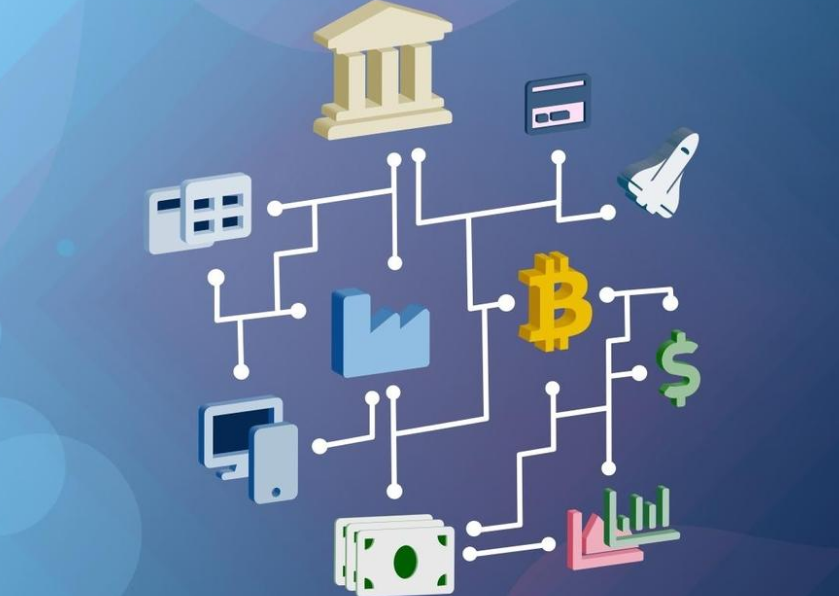
Tokenized real-world assets, or RWAs, turn traditional investments like real estate, Treasury bills, private credit, and even gold into digital tokens that live on the blockchain. People and institutions can buy, sell, and trade fractions of these assets 24/7 with almost instant settlement and tiny fees.
On Solana, the speed and low cost make it perfect for this new wave of finance. Builders bring off-chain assets on-chain through strict legal wrappers and compliance checks, so big players feel safe jumping in.
The $1.66 billion mark shows institutions no longer just test the waters; they dive in head first.
How Fast Did This Growth Really Happen?
The numbers tell a wild story. Less than one year ago, Solana barely registered $200 million in tokenized assets. By the end of 2024, the figure crossed $1 billion. Now, just six weeks into 2025, another $660 million poured in.
Key drivers behind the surge include:
- Major firms like BlackRock and Franklin Templeton launching tokenized funds
- New platforms that make it easy to issue private credit and Treasury products
- Yield-hungry investors chasing 5-10% returns in a low-rate world
One platform alone, backed by a former Coinbase executive, now handles hundreds of millions in tokenized Treasury bills and has become the go-to spot for institutions.
Top Players Fuel the Fire
Several projects lead the pack and keep pushing the total higher.
Ondo Finance dominates with tokenized Treasury products. RWA.xyz data shows Ondo controls over $500 million on Solana right now. Investors love the stable yields and the fact they can move funds instantly.
Credit protocols like Maple and Credix bring private loans on-chain. Companies borrow at better rates, while lenders earn solid returns backed by real-world collateral.
Real estate platforms such as Parcl and Homebase let users own tiny slices of actual properties. These projects add hundreds of millions more to the total.
Why Institutions Pick Solana Over Ethereum Now
Speed and cost remain the biggest reasons. Solana settles transactions in under one second for pennies, while Ethereum still struggles with high gas fees during busy times.
New tools also help. Deep order books, compliance features, and direct bank connections make Solana feel more like traditional finance but faster and cheaper.
Big banks and asset managers now see Solana as the best place to run tokenized funds at scale.
What This Means for Everyday Users
Regular people win too. Anyone with a wallet can now earn yields that once stayed locked inside Wall Street vaults. Tokenized Treasury bills pay around 5%, private credit often hits double digits, and users keep full control of their assets.
Liquidity improves daily. Many tokens trade on major Solana exchanges, so selling takes seconds instead of days or weeks in traditional markets.
The catch stays the same as any investment: risk exists. Platforms run audits and over-collateralize loans, but smart-contract bugs or market crashes can still hurt.
This record-breaking growth signals a major shift. Tokenized assets move from experiment to core infrastructure, and Solana sits right at the center of it all. Institutions keep pouring in billions, yields stay attractive, and new products launch every week. For the first time, everyday investors access the same tools as the biggest funds, all on a blockchain that finally delivers what it promised years ago.
 Bitcoin
  Ethereum
  BNB
BNB  Solana
  Chainlink
  Cardano
  Avalanche
  Sui
Sui  NEAR Protocol
  Bittensor
  Mantle
  Polkadot
  Internet Computer
  Quant
Quant  Cosmos Hub
  Render
  Algorand
  Kaspa
Kaspa  Jupiter
  Filecoin
  Aptos
Aptos  Arbitrum
  Injective
  Sei
Sei  Celestia
  Stacks
  Pyth Network
  Optimism
  Akash Network
  The Graph
  THORChain
  dYdX
dYdX  Immutable
  MultiversX
  Beam
Beam  Flow
Flow  Manta Network
  Kujira
  Illuvium
  Metis
Metis  Dymension