

Top executives from three major U.S. banks are set to face off with senators in a high-stakes meeting on crypto rules this Thursday. With Bitcoin clinging to the $90,000 mark amid market jitters, this talk could reshape how digital assets fit into everyday finance. But what does it mean for your wallet? Stick around to find out the details that might change the game.
Big bank leaders from Citigroup, Bank of America, and Wells Fargo will sit down with U.S. senators to hash out crypto market rules. The focus is on a key bill that aims to bring clarity to how digital currencies operate in the U.S. This comes right after lawmakers dropped a ban on central bank digital currencies from a major defense bill, sparking fresh debates.
Regulatory uncertainty has left investors and banks in limbo, but this closed-door chat could push for clearer guidelines. Sources say the CEOs want to weigh in on stablecoins, bank roles in crypto, and overall market structure. It’s a big deal because Bitcoin just dipped near $90,000, down from recent highs, showing how policy talks can sway prices.
The meeting is slated for Thursday, December 11, 2025, according to reports from financial news outlets. Senators are pushing for a vote on the crypto bill by the end of the month, making this timing critical.
With crypto’s wild swings, everyday folks are watching closely. If rules tighten, it might mean safer investments, but could also limit quick gains.
Key Players and Their Crypto Stance
Jane Fraser from Citigroup, Brian Moynihan of Bank of America, and Charlie Scharf from Wells Fargo are the star CEOs heading to Capitol Hill. These banks have dipped toes into crypto waters, but they’ve been cautious due to fuzzy laws.
Citigroup has explored digital assets through pilot programs, while Bank of America offers some crypto services to wealthy clients. Wells Fargo has been more reserved, but all three see potential in blockchain tech for faster payments.
Senators like those from the Banking Committee are driving the push. They want input from banks to craft rules that protect consumers without killing innovation. Recent moves, like the CFTC opening doors for crypto as collateral in derivatives, show regulators are warming up.
This isn’t just talk. A compromise bill from Republicans and Democrats is on the table, aiming to give the CFTC more oversight on crypto spots.
Banks fear getting left behind if crypto booms without them, especially with Bitcoin’s price signaling mainstream appeal.
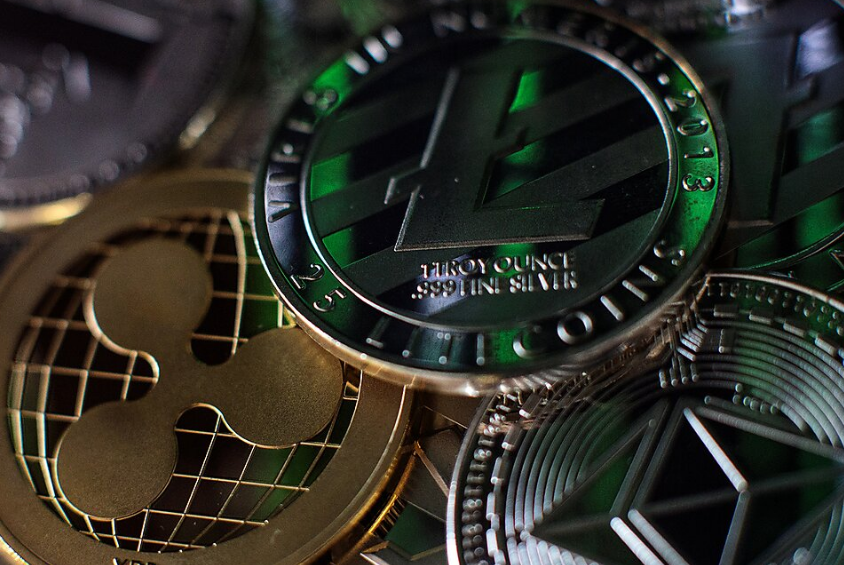
Market Impact and Bitcoin’s Wild Ride
Bitcoin’s hover around $90,000 adds urgency to these talks. The crypto king hit this level amid hopes for friendlier U.S. policies under new leadership, but volatility persists.
Experts point to recent events: Michael Saylor, a big Bitcoin advocate, is pushing nations to adopt Bitcoin-backed banking models. This could mean higher yields for savers, but it raises risks for traditional banks.
Here’s how recent crypto developments stack up:
- CFTC launched a pilot for using crypto as collateral in derivatives markets.
- Fitch Ratings warned banks with high crypto exposure about potential credit risks.
- BlackRock is seeking approval for a staked Ether ETF, blending traditional finance with crypto.
These steps show crypto inching into mainstream finance. If the senators and CEOs align, it could stabilize prices and boost adoption.
For average investors, this means watching your portfolio. A clear regulatory framework might encourage more banks to offer crypto services, making it easier to buy and hold digital assets without the current headaches.
The removal of the CBDC ban from the National Defense Authorization Act has fueled speculation. Without it, the door is open for a U.S. digital dollar, which could compete with private cryptos like Bitcoin.
Challenges and Future Outlook
Not everyone is cheering. Critics worry that more bank involvement in crypto could lead to centralization, clashing with crypto’s decentralized roots. Stablecoins, like those potentially backed by banks, might dominate, squeezing out smaller players.
Data from a 2025 CoinDesk report shows U.S. banks hold about $10 billion in crypto-related assets, up 20% from last year. This growth, tracked by analysts at the firm, highlights the sector’s rapid rise despite hurdles.
The big question is whether this meeting will bridge gaps between old-school banking and crypto’s bold new world.
Looking ahead, a December vote on the bill could set the stage for 2026. If passed, it might require banks to follow strict rules on crypto custody and trading.
Senators are also eyeing global angles, as other countries like those in Europe roll out their own crypto frameworks.
This meeting between bank CEOs and senators isn’t just another Washington chat; it’s a pivotal moment that could define the future of money in America. By addressing regulatory gaps, it offers hope for a more secure crypto landscape, easing fears of scams and crashes while sparking excitement for innovation.
 Bitcoin
  Ethereum
  BNB
BNB  Solana
  Cardano
  Chainlink
  Avalanche
  Sui
Sui  NEAR Protocol
  Bittensor
  Polkadot
  Mantle
  Internet Computer
  Quant
Quant  Algorand
  Cosmos Hub
  Kaspa
Kaspa  Render
  Jupiter
  Filecoin
  Arbitrum
  Aptos
Aptos  Injective
  Celestia
  Pyth Network
  Sei
Sei  Stacks
  Optimism
  The Graph
  THORChain
  Akash Network
  dYdX
dYdX  Immutable
  MultiversX
  Beam
Beam  Flow
Flow  Kujira
  Manta Network
  Illuvium
  Metis
Metis  Dymension